
 By Its Times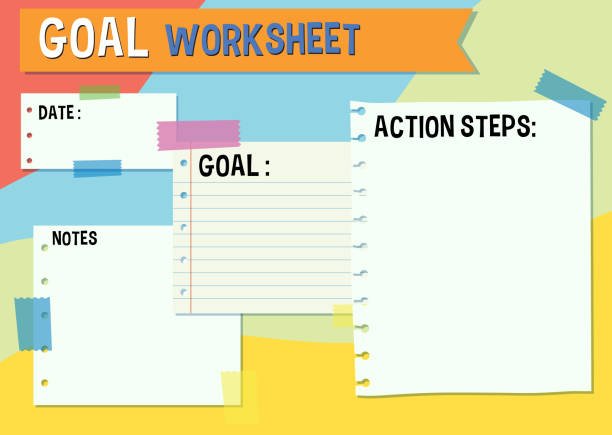
Introduction:
The personal finance merit badge worksheet is designed to teach youth essential money management skills. From budgeting to savings, understanding finances early helps build lifelong financial habits.
Completing this worksheet allows scouts or students to develop practical skills in managing money, tracking expenses, and planning for future financial goals. It also encourages responsibility, decision-making, and critical thinking regarding financial choices.
Understanding Budget Basics
A solid budget is the foundation of financial success. The worksheet typically asks participants to track income, expenses, and savings to understand where money goes.
-
List all monthly income
-
Categorise essential expenses
-
Allocate savings portion
By tracking spending patterns, participants gain insight into their financial habits and identify areas for improvement.
Savings And Investments
The worksheet highlights the importance of saving for short-term needs and long-term goals. It may include exercises to calculate interest, explore savings accounts, or learn about basic investment options.
-
Open a savings account
-
Track savings growth
-
Explore simple investment options
Understanding the power of compound interest and consistent saving helps build financial security over time.
Spending Responsibility Skills
Responsible spending is a key component of personal finance. The worksheet encourages participants to differentiate between needs and wants and make informed decisions.
-
Compare prices before buying
-
Avoid unnecessary expenses
-
Practice mindful purchases
Learning responsible spending habits ensures participants can manage money effectively and avoid financial stress in the future.
Credit And Debt Knowledge
The worksheet introduces concepts like credit, loans, and debt management. Understanding interest rates, repayment plans, and borrowing risks equips participants to make smart decisions about credit use.
-
Track any borrowed funds
-
Understand repayment schedules
-
Learn interest calculation
Proper credit and debt management are essential for building a healthy financial future.
Goal Setting Techniques
Setting financial goals is a core part of the worksheet. Participants learn to establish short-term and long-term targets, such as saving for a purchase or planning for higher education.
-
Identify short-term goals
-
Set long-term savings targets
-
Track progress regularly
Goal setting encourages disciplined financial behaviour and motivates participants to stay on track with money management plans.
Tracking Expenses Effectively
Expense tracking is critical for maintaining financial control. Participants record daily or monthly expenditures to understand spending patterns and identify areas where they can save.
-
Use expense tracking apps
-
Maintain a spending journal
-
Review monthly totals
This habit develops accountability and provides a clear picture of financial health.
Emergency Fund Importance
The worksheet also emphasises creating an emergency fund. Having savings set aside for unexpected events, like medical expenses or urgent repairs, reduces financial stress.
-
Determine emergency fund amount
-
Deposit regularly
-
Avoid unnecessary withdrawals
An emergency fund is a crucial safety net for financial stability.
Applying Financial Knowledge
After completing the worksheet, participants can apply their knowledge in real-life scenarios. This includes budgeting for allowances, planning for purchases, and making informed financial decisions independently.
Conclusion: Financial Literacy Benefits
Completing the personal finance merit badge worksheet equips participants with essential money management skills. From budgeting and saving to responsible spending and credit management, it lays the foundation for lifelong financial literacy.
By practising these skills, individuals become more confident in handling money, setting goals, and making informed financial decisions that support a secure future.
FAQs
What is a personal finance merit badge worksheet?
It is an educational tool designed to teach budgeting, saving, and money management skills.
Who should complete it?
Youth, scouts, or students learning essential personal finance concepts can benefit from it.
Why is it important?
It builds financial literacy, responsibility, and long-term money management skills.
Does it include budgeting exercises?
Yes, participants track income, expenses, and savings to understand financial habits.
How can it help in real life?
It teaches practical skills for responsible spending, saving, goal setting, and debt management.