
 By Its Times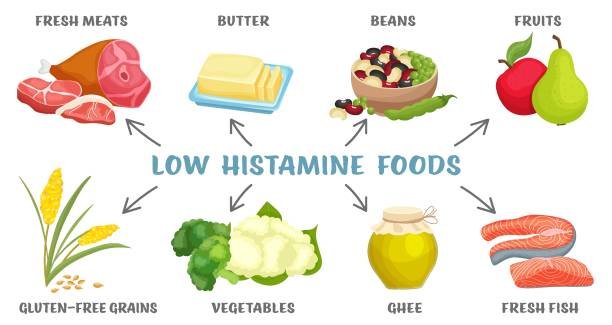
Introduction:
A low-histamine diet plan can be a game-changer for individuals who suffer from histamine intolerance, allergies, or digestive issues. Histamine, a natural compound in the body and some foods, can trigger symptoms such as headaches, hives, fatigue, and digestive discomfort when levels become too high. Following a structured diet plan helps reduce these symptoms while providing balanced nutrition. This article explores the fundamentals of a low-histamine diet, food choices, meal ideas, and practical strategies to maintain long-term health.
Understanding Histamine Intolerance
Histamine intolerance occurs when the body cannot break down histamine efficiently, often due to reduced enzyme activity. This leads to a buildup of histamine, triggering allergic-type reactions and discomfort. Common symptoms include nasal congestion, digestive issues, skin irritation, and headaches.
A low histamine diet plan aims to limit foods high in histamine, supporting the body’s natural breakdown processes. Identifying trigger foods and following a structured approach can significantly improve quality of life.
After four lines, here are the bullet points for this H2:
• Reduces allergic-type reactions
• Supports digestive comfort
• Helps manage chronic symptoms
Foods To Avoid
Certain foods are high in histamine or trigger histamine release and should be avoided in a low-histamine diet plan. These include aged cheeses, fermented foods, cured meats, alcohol, and certain processed items.
Eliminating these foods helps reduce the body’s histamine load and prevents symptom flare-ups. Awareness of hidden sources, like sauces and condiments, is also important for effective management.
After four lines, here are the bullet points for this H2:
• Aged cheeses and cured meats
• Fermented foods and drinks
• Processed sauces and condiments
Safe Foods To Eat
Focusing on low-histamine foods ensures the body receives proper nutrition while avoiding triggers. Fresh meats, fish, eggs, rice, fresh vegetables, and most fruits are generally safe. Herbal teas, non-citrus fruits, and certain grains also fit into a low histamine plan.
Planning meals around these foods helps maintain energy levels, supports digestion, and allows for a varied and balanced diet. Freshness is key, as histamine levels rise in stored or leftover foods.
After four lines, here are the bullet points for this H2:
• Fresh meats and fish
• Non-citrus fruits and vegetables
• Grains and herbal teas
Meal Planning Strategies
Meal planning is essential for success on a low histamine diet plan. Preparing meals in advance using fresh ingredients reduces the risk of consuming high-histamine foods accidentally. Rotating protein sources, including vegetables, and keeping meals simple can improve adherence and nutrient balance.
Maintaining a food diary helps track reactions and identify personal triggers. This allows for ongoing adjustments and ensures the diet meets individual nutritional needs.
Benefits Of Following Diet
A low histamine diet plan offers several health benefits. Reduction in headaches, improved digestion, less skin irritation, and better sleep quality are commonly reported by individuals following the plan.
Long-term adherence may also reduce inflammation and improve overall wellbeing. By managing histamine intake, people often experience fewer flare-ups, increased energy, and enhanced quality of life.
Challenges And Solutions
Some challenges include limited food options, difficulty eating out, and identifying hidden histamine sources. Solutions include preparing meals at home, reading labels carefully, and gradually reintroducing foods under professional guidance.
Working with a dietitian or healthcare provider ensures that nutritional needs are met and potential deficiencies are addressed while following a low histamine plan.
After four lines, here are the bullet points for this H2:
• Plan home-cooked meals
• Read food labels carefully
• Seek professional dietary guidance
Cooking Tips And Storage
Freshness is crucial in a low histamine diet plan. Cooking meals in small batches and consuming them immediately helps prevent histamine accumulation. Freezing leftovers quickly can also reduce histamine build-up.
Avoid using leftovers stored for multiple days, as histamine levels increase with time. Maintaining a clean kitchen and using airtight containers also helps preserve food quality and safety.
Supplements And Support
Certain supplements, like vitamin C, vitamin B6, and DAO enzyme support, may aid histamine breakdown. Always consult a healthcare provider before adding supplements to your low histamine diet plan.
Supplements can complement dietary changes but should not replace proper nutrition. They can be particularly useful for individuals with chronic histamine intolerance or specific nutrient deficiencies.
Monitoring Progress
Tracking symptoms, meal choices, and overall wellbeing is key to long-term success. Regular monitoring allows individuals to identify patterns and adjust the low histamine diet plan accordingly.
Consistency, patience, and attention to detail are essential. Over time, careful monitoring can help expand the diet safely while minimising flare-ups.
Conclusion: Improve Health Naturally
A low-histamine diet plan provides a structured, evidence-based approach to managing histamine intolerance. By avoiding trigger foods, focusing on fresh, safe options, and monitoring symptoms, individuals can reduce discomfort, improve digestion, and enhance overall quality of life. Following this plan with proper guidance ensures long-term health benefits and a more comfortable daily routine.
Frequently Asked Questions
? What is a low histamine diet plan?
It is a structured eating approach to reduce histamine intake and manage intolerance symptoms.
? Which foods should I avoid?
Avoid aged cheeses, fermented foods, cured meats, alcohol, and processed items.
? Which foods are safe to eat?
Fresh meats, fish, eggs, non-citrus fruits, vegetables, grains, and herbal teas are safe.
? Can I eat leftovers on this diet?
Minimise leftovers, as histamine levels increase with storage; consume fresh or freeze promptly.
? Should I take supplements?
Some supplements may help, but consult a healthcare provider before use.