
 By Its Times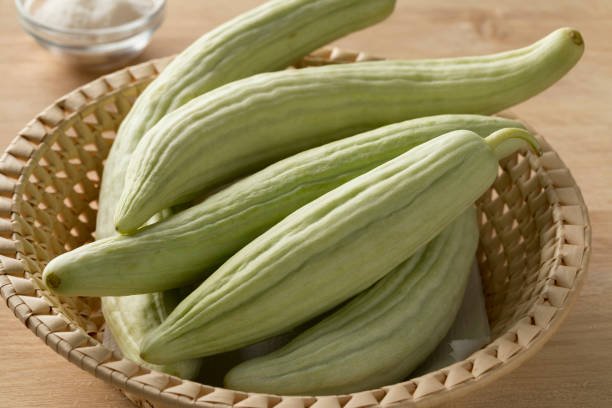
Kibard is a leafy green vegetable known for its fresh taste and strong nutritional value. It has been used for generations in traditional cooking and is now gaining attention for its health benefits.
This vegetable is easy to prepare, simple to grow, and suitable for many dishes. Because of its vitamins, minerals, and fiber, Kibard fits well into a balanced and healthy diet for people of all ages.
Introduction To Kibard Vegetable
Kibard is a green leafy vegetable commonly grown in home gardens and small farms. It grows well in mild climates and is harvested for its tender leaves.
Many people enjoy Kibard because it is light, nutritious, and easy to cook. It can be eaten raw or cooked, making it a flexible choice for daily meals.
Nutritional Value Of Kibard
Kibard is rich in essential nutrients that support overall health. It contains important vitamins like A and C, which help protect the body and improve immunity.
The vegetable is also low in calories, making it ideal for people who want to maintain or lose weight while still eating nutritious food.
-
High in vitamin A
-
Good source of vitamin C
-
Contains dietary fiber
-
Low in calories
-
Provides essential minerals
Adding Kibard to meals helps the body get daily nutrients without extra fat or sugar.
Health Benefits Of Kibard
Eating Kibard regularly can improve several aspects of health. Its fiber content supports digestion and helps prevent stomach problems.
The antioxidants in Kibard protect cells from damage and support the immune system. This makes the vegetable useful for long-term health.
-
Improves digestion naturally
-
Supports immune health
-
Helps control blood pressure
-
Reduces inflammation
-
Supports heart health
People who eat leafy vegetables like Kibard often experience better energy levels and improved wellness.
Cooking Uses Of Kibard
Kibard is easy to cook and works well in many recipes. Its mild flavor blends easily with spices, vegetables, and proteins.
You can cook Kibard quickly without losing its nutrients. Light cooking methods are best for taste and health.
Soups And Stews
Kibard adds flavor and nutrition to vegetable soups and meat stews.
Stir-Fried Dishes
Quick sautéing with garlic and oil creates a healthy side dish.
Fresh Salads
Young Kibard leaves can be eaten raw with lemon dressing.
Smoothies And Juices
Blending Kibard with fruit makes a healthy drink.
This variety makes Kibard suitable for daily meals.
Growing Kibard At Home
Kibard is easy to grow and does not require special care. It grows best in soil that drains well and receives moderate sunlight. Regular watering and occasional compost help the plant grow healthy leaves. It is ideal for beginners in gardening.
-
Plant in fertile soil
-
Water regularly
-
Provide sunlight
-
Use organic compost
-
Harvest gently
Harvesting And Storage Tips
Kibard leaves should be harvested when they are young and soft. Older leaves may taste bitter and feel tough. For storage, keep Kibard in the refrigerator and use it within a few days for best freshness.
-
Harvest tender leaves
-
Store in refrigerator
-
Avoid excess moisture
-
Use paper towels
-
Consume within a week
Proper storage keeps the vegetable fresh and nutritious.
Possible Side Effects Considerations
Kibard is safe for most people. However, eating very large amounts may cause mild digestive discomfort due to fiber. People with sensitive digestion should introduce it slowly into their diet and observe how their body reacts.
-
May cause bloating if overeaten
-
Introduce gradually
-
Drink water with meals
-
Avoid overconsumption
-
Consult doctor if needed
Moderate intake is always best.
Flavor Enhancement Cooking Tips
Simple cooking methods improve Kibard’s taste and texture. Light cooking preserves nutrients and keeps the leaves soft. Combining it with healthy fats helps the body absorb vitamins more effectively.
-
Steam lightly
-
Sauté with olive oil
-
Add garlic or onion
-
Use lemon juice
-
Pair with grains
These tips make meals more enjoyable and nutritious.
Buying Fresh Selection
Fresh kibard should look green and firm. Avoid leaves that are yellow, wilted, or damaged. Buying fresh vegetables ensures better taste and higher nutritional value.
-
Choose dark green leaves
-
Avoid yellow spots
-
Check firmness
-
Smell for freshness
-
Buy small quantities
Good selection improves cooking results.
Traditional And Cultural Uses
Kibard has long been used in traditional meals and home remedies. Many cultures include it in seasonal dishes. Its continued use shows how valuable and trusted this vegetable has been over time.
-
Used in traditional cooking
-
Seasonal vegetable
-
Part of local diets
-
Cultural importance
-
Passed through generation
Conclusion
Kibard is a nutritious and versatile vegetable that supports good health and simple cooking. It provides essential vitamins, fibre, and minerals while being easy to grow and prepare.
Including it in regular meals improves digestion, boosts immunity, and supports overall wellness. Its affordability and flexibility make it a smart choice for a healthy lifestyle.
Frequently Asked Questions
What is Kibard vegetable?
Kibard is a leafy green vegetable known for its nutritional value and mild flavor.
Is it healthy to eat daily?
Yes, moderate daily consumption supports digestion and overall health.
Can Kibard be eaten raw?
Yes, young leaves can be eaten raw in salads.
How should Kibard be stored?
Store it in the refrigerator and use within 5–7 days.
Does Kibard have any side effects?
Overeating may cause mild digestive discomfort due to fiber.