
 By Its Times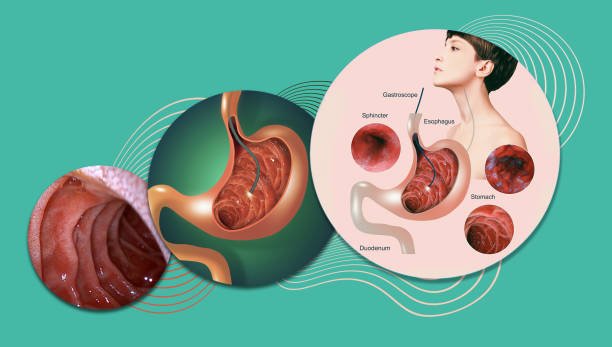
Introduction:
Gastroshiza is a digestive condition that impacts the gastrointestinal tract, often causing discomfort, irregular bowel patterns, and other digestive issues. Though it may not be widely recognized outside medical circles, gastroshiza can significantly affect daily life if left unmanaged.
Understanding its symptoms, causes, treatment options, and preventive measures is essential for maintaining good digestive health. This article provides an in-depth look at gastroshiza, including practical guidance for patients and caregivers.
Common Causes Behind the Condition
The development of gastroshiza can be linked to multiple factors that interfere with normal digestion. Some of the most common causes include:
- Unhealthy dietary habits: Overconsumption of processed foods, high-fat diets, or low fiber intake.
- Chronic stress: Stress disrupts the gut-brain connection, leading to digestive disturbances.
- Genetic predisposition: Family history can increase susceptibility.
- Infections: Bacterial or viral infections can trigger gastrointestinal irritation.
- Medication use: Long-term use of drugs like NSAIDs or antibiotics may affect gut health.
Identifying potential causes early helps in managing the condition and reducing the risk of complications.
Typical Symptoms Observed
Gastroshiza presents through a variety of symptoms that may vary in intensity. Key symptoms often include:
- Abdominal cramping and pain
- Frequent bloating or gas buildup
- Nausea or occasional vomiting
- Irregular bowel movements, including diarrhea or constipation
- Reduced appetite or unexplained weight loss
- Fatigue and general malaise in severe cases
Monitoring these symptoms allows individuals to seek medical attention promptly and prevent further complications.
How Professionals Diagnose the Condition
A thorough diagnosis of gastroshiza usually requires a combination of clinical evaluation, laboratory tests, and imaging studies. Common steps include:
- Medical history review: Understanding lifestyle, diet, and prior digestive issues.
- Physical examination: Checking for tenderness, bloating, and other digestive irregularities.
- Blood tests: Identifying infections, inflammation, or deficiencies.
- Imaging studies: Using ultrasounds, CT scans, or endoscopy to evaluate internal structures.
- Stool analysis: Detecting infections, inflammation, or digestive anomalies.
Accurate diagnosis ensures personalized treatment plans and better outcomes for patients.
Effective Treatment Approaches
Managing gastroshiza involves a multi-faceted approach based on the underlying cause and symptom severity. Common strategies include:
Dietary Adjustments
- Incorporating fiber-rich foods, vegetables, fruits, and whole grains
- Avoiding greasy, processed, and sugary foods
- Drinking adequate water to improve digestion
Medical Interventions
- Prescribed medications to reduce inflammation or acid levels
- Probiotics to support healthy gut bacteria
- Antibiotics or antiviral medications if infections are present
Lifestyle Modifications
- Stress management through mindfulness, yoga, or relaxation techniques
- Regular physical activity to support digestion
- Avoiding alcohol and smoking
Surgical Procedures
Rarely, when gastroshiza is severe or linked to structural abnormalities, surgical interventions may be recommended. These are typically reserved for cases that do not respond to conservative management.
Preventive Strategies for Better Health
Preventing gastroshiza focuses on supporting digestive function and minimizing risk factors. Important preventive measures include:
- Following a balanced, nutrient-rich diet
- Maintaining proper hydration throughout the day
- Managing stress through exercise, meditation, or counseling
- Scheduling regular medical check-ups for early detection
- Limiting use of medications that irritate the gastrointestinal tract
Consistent preventive habits can greatly reduce the likelihood of developing gastroshiza or experiencing recurrent episodes.
Living with the Condition Successfully
For individuals diagnosed with gastroshiza, lifestyle management plays a key role. Strategies for coping effectively include:
- Keeping a symptom and diet journal to track triggers
- Following treatment recommendations closely
- Engaging in regular physical activity
- Seeking support from healthcare providers and patient communities
With proper management, most people with gastroshiza can maintain normal daily activities and enjoy a healthy lifestyle.
Conclusion
Gastroshiza is a significant gastrointestinal condition that requires awareness, early detection, and comprehensive management. Understanding the causes, recognizing symptoms, and adopting effective treatment and preventive strategies can help individuals maintain optimal digestive health. With informed choices, lifestyle adjustments, and professional care, gastroshiza can be controlled effectively, allowing patients to lead a normal and active life.
Frequently Asked Questions
1. What is gastroshiza?
Gastroshiza is a digestive disorder affecting the stomach and intestines, often causing discomfort, bloating, and irregular bowel movements.
2. What triggers gastroshiza?
It can be triggered by poor diet, chronic stress, infections, genetic factors, or long-term use of certain medications.
3. What are the main symptoms of gastroshiza?
Common symptoms include abdominal pain, bloating, nausea, diarrhea or constipation, loss of appetite, and fatigue.
4. How is gastroshiza treated?
Treatment includes dietary changes, medications, lifestyle adjustments, and in rare cases, surgical procedures depending on severity.
5. Can gastroshiza be prevented?
Yes, preventive measures include a balanced diet, staying hydrated, stress management, and regular medical check-ups.