
 By Its Times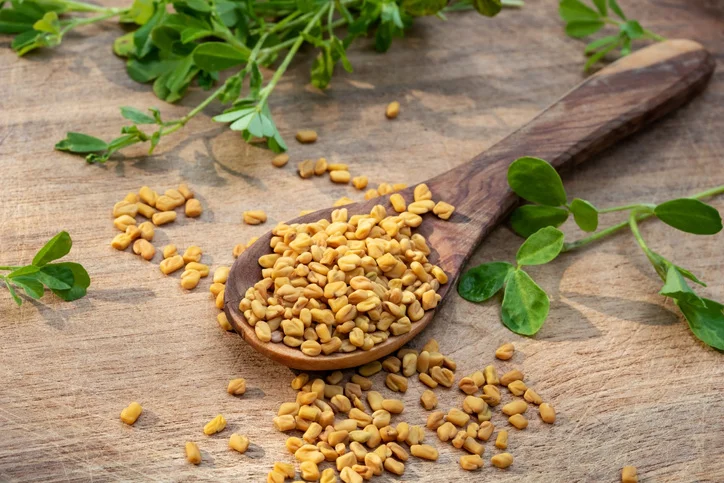
Introduction to Foenegrie
Foenegrie is a fascinating plant that has quietly shaped culinary traditions, wellness practices, and agricultural systems across the world. Often associated with ancient kitchens and traditional remedies, Foenegrie continues to gain modern attention for its versatility and nutritional profile.
Despite its long history, many people are only just discovering and its wide-ranging applications. Whether you’ve encountered it in cooking, herbal discussions, or cultural traditions, understanding fully can change the way you see this humble yet powerful ingredient.
In this comprehensive guide, we’ll explore from every angle—its origins, composition, uses, benefits, and practical considerations—so you walk away with a clear, balanced understanding.
What Is Foenegrie?
Foenegrie refers to the plant Trigonella foenum-graecum, commonly known in many regions as fenugreek. The name “” is used in parts of Europe and traditional literature to describe both the seeds and leaves of the plant.
Foenegrie belongs to the legume family and is valued for:
-
Its distinctive aroma and taste
-
Its nutrient-rich seeds
-
Its versatile culinary and traditional uses
Both the seeds and fresh leaves of are utilized, making it a rare example of a plant where almost every part has practical value.
The Historical Origins of Foenegrie
Foenegrie has one of the oldest recorded histories of any cultivated herb. Archaeological evidence suggests it was used more than 4,000 years ago.
Ancient Civilizations and Foenegrie
Foenegrie played a role in several ancient cultures:
-
Ancient Egypt: Used in food preparation and ceremonial practices
-
Greek and Roman societies: Valued for culinary and agricultural purposes
-
Traditional Asian systems: Incorporated into everyday meals and seasonal routines
The widespread use of Foenegrie across continents highlights its adaptability and importance in human history.
Botanical Profile of Foenegrie
Understanding the plant itself helps explain why is so resilient and widely cultivated.
Key Characteristics
-
Plant Type: Annual legume
-
Height: Typically 30–60 cm
-
Leaves: Small, green, clover-like
-
Seeds: Hard, yellow-brown, angular
Foenegrie thrives in warm climates and is often grown as both a food crop and a soil-enriching plant due to its nitrogen-fixing properties.
Nutritional Composition of Foenegrie
One reason has remained relevant for centuries is its impressive nutritional makeup.
Core Nutrients Found in Foenegrie
Foenegrie contains:
-
Plant-based protein
-
Dietary fiber
-
Iron and magnesium
-
B vitamins
-
Natural plant compounds
These nutrients make a valuable addition to balanced diets, especially in plant-forward eating patterns.Culinary Uses of Around the World
Foenegrie’s bold flavor—often described as nutty, slightly bitter, and aromatic—makes it a staple in many cuisines.
Common Culinary Applications
-
Whole seeds: Used in spice blends and tempering
-
Ground Foenegrie: Added to sauces and marinades
-
Fresh leaves: Cooked like leafy greens
-
Dried leaves: Used as seasoning
Foenegrie enhances depth and warmth in dishes without overpowering other ingredients.
Foenegrie in Traditional Food Cultures
South Asian Cooking
seeds and leaves are common in everyday meals, especially in vegetable dishes, flatbreads, and lentil preparations.
Mediterranean and Middle Eastern Uses
In these regions, has historically been used in:
-
Bread-making
-
Vegetable stews
-
Fermented foods
Its earthy flavor pairs well with grains and legumes.
Functional Properties of Foenegrie
Beyond flavor, is valued for its natural plant compounds.
Naturally Occurring Components
Foenegrie contains:
-
Soluble fiber
-
Aromatic oils
-
Plant saponins
These components contribute to its long-standing reputation as a supportive dietary ingredient.
Foenegrie in Modern Wellness Discussions
Today, is often mentioned in conversations about balanced nutrition and traditional food wisdom.
Why Is Gaining Attention
-
Interest in heritage foods
-
Growth of plant-based diets
-
Renewed appreciation for whole ingredients
It’s important to view as a food first, rather than a quick solution or miracle ingredient.
Forms of Available Today
Foenegrie can be found in multiple forms, each suited to different uses.
Common Forms
-
Whole seeds
-
Ground powder
-
Fresh leaves
-
Dried leaves
Choosing the right form depends on how you plan to use Foenegrie in cooking or food preparation.
How to Store Foenegrie Properly
Correct storage ensures retains its flavor and quality.
Storage Tips
-
Keep seeds in airtight containers
-
Store away from heat and light
-
Use ground within a few months
Fresh leaves should be refrigerated and used quickly for best results.
Growing at Home
Foenegrie is surprisingly easy to grow, even for beginners.
Basic Growing Requirements
-
Warm temperatures
-
Well-drained soil
-
Moderate watering
Foenegrie grows quickly and can be harvested within a few weeks, making it ideal for small gardens.
Cultural Significance of Foenegrie
Foenegrie is more than just an ingredient—it carries cultural meaning in many societies.
-
Symbol of nourishment and abundance
-
Associated with seasonal cooking
-
Passed down through family traditions
These cultural connections add depth to continued use.
Responsible Use and Considerations
While Foenegrie is generally consumed as food, moderation is key.
Practical Considerations
-
Introduce gradually into meals
-
Be mindful of its strong flavor
-
Treat it as part of a varied diet
As with any food, balance and awareness are essential.
Foenegrie in Sustainable Agriculture
Foenegrie also supports environmentally friendly farming.
Agricultural Benefits
-
Improves soil quality
-
Requires minimal inputs
-
Supports crop rotation systems
This makes an attractive crop for sustainable practices.
Why Foenegrie Remains Relevant Today
Foenegrie has survived thousands of years not by trend, but by utility.
Its continued relevance comes from:
-
Versatility
-
Accessibility
-
Cultural trust
In a world increasingly interested in food origins, fits perfectly.
Conclusion: Bringing Into Modern Life
Foenegrie is a timeless ingredient that bridges ancient traditions and modern lifestyles. From its rich history to its culinary flexibility and nutritional value, proves that simple plants can have lasting impact.
By understanding as a whole food with cultural, agricultural, and culinary significance, you can appreciate it beyond trends or buzzwords. Whether you grow it, cook with it, or simply learn about it, offers a meaningful connection to generations of food wisdom.
Frequently Asked Questions About Foenegrie
1. Is the same as fenugreek?
Yes, Foenegrie is another name used for fenugreek (Trigonella foenum-graecum), especially in European contexts.
2. What does taste like?
Foenegrie has a warm, nutty, slightly bitter flavor with a strong aroma that deepens when cooked.
3. Can be eaten raw?
Foenegrie seeds are typically cooked before use, while young leaves can be cooked lightly like other greens.
4. How is commonly used in cooking?
It’s used as whole seeds, ground spice, fresh leaves, or dried leaves depending on the dish and tradition.
5. Is Foenegrie suitable for everyday meals?
Yes, Foenegrie has been used as a regular food ingredient for centuries when consumed in moderation as part of balanced meals.