
 By Its Times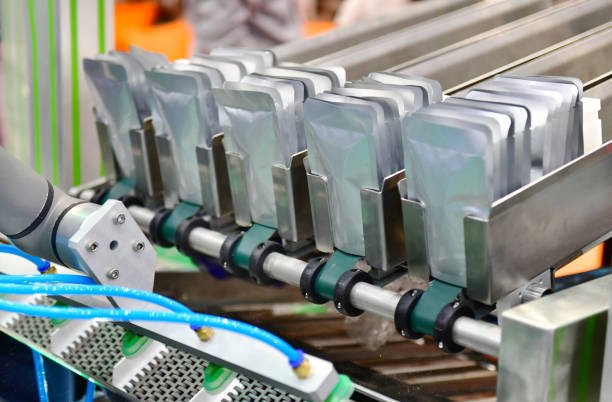
Introduction:
In today’s fast-paced world, flexible packaging technology has become a crucial solution for businesses aiming to enhance efficiency, reduce costs, and maintain product quality. Unlike rigid packaging, flexible packaging adapts to a wide range of products, offering lightweight, durable, and versatile solutions.
Industries such as food, pharmaceuticals, cosmetics, and consumer goods are increasingly adopting flexible packaging technology to meet growing demand for convenience, sustainability, and product safety.
By understanding the materials, applications, advantages, and innovations in flexible packaging, businesses can make informed decisions that enhance operational efficiency while providing consumers with practical, attractive, and eco-friendly packaging options.
Overview of Modern Packaging Solutions
Definition and Key Components
Flexible packaging consists of materials like plastic films, paper, aluminum foils, and laminates that can bend, fold, or wrap around products. Key components include:
-
Barrier layers: Protect contents from moisture, oxygen, and light.
-
Sealing layers: Ensure airtight closure.
-
Printable surfaces: Enhance branding and marketing appeal.
Importance in Industry
Flexible packaging reduces shipping weight, extends product shelf life, and enables creative product presentation. It aligns with sustainability goals while providing cost-effective alternatives to traditional packaging.
Applications Across Industries
Food and Beverage Packaging
Flexible pouches, sachets, and wrappers are widely used in snacks, beverages, frozen foods, and ready-to-eat meals. Features like resealable zippers, spouts, and vacuum seals ensure freshness, convenience, and portability.
Pharmaceutical Packaging
Blister packs, sachets, and pouches help maintain product integrity, prevent contamination, and provide tamper-evident solutions for medicines and health supplements.
Cosmetic and Personal Care Packaging
Flexible tubes, pouches, and sachets provide portion control, portability, and visually appealing designs for creams, lotions, and other personal care products.
Consumer Goods and Electronics
Compact packaging solutions protect small electronic accessories, hardware, and household items while offering lightweight and space-saving benefits.
Key Advantages of Flexible Packaging
Cost Savings
Reduced material use and lightweight properties lower manufacturing, storage, and transportation costs compared to rigid containers.
Sustainability Benefits
Flexible packaging can be made from recyclable, biodegradable, or compostable materials, contributing to reduced environmental impact.
Enhanced Product Protection
Barrier technologies safeguard products from moisture, oxygen, light, and external contaminants, preserving quality and extending shelf life.
Consumer-Friendly Design
Resealable closures, spouts, and tear notches enhance usability, convenience, and customer satisfaction.
Branding Opportunities
High-quality printing, custom shapes, and vibrant designs help brands differentiate their products and increase shelf appeal.
Technological Innovations in Packaging Materials
Smart Packaging Solutions
Integration of QR codes, RFID tags, and temperature indicators provides real-time product tracking, anti-counterfeiting, and enhanced consumer engagement.
Advanced Barrier Materials
Materials with oxygen scavengers, antimicrobial layers, and moisture absorbers improve shelf life and maintain product safety.
High-Speed Production Technologies
Modern machinery allows rapid, precise, and high-volume production of flexible packaging solutions, ensuring consistency and efficiency.
Eco-Friendly Material Development
Biodegradable films, compostable plastics, and recycled laminates are increasingly being developed to meet sustainability standards and consumer expectations.
Challenges in Flexible Packaging
Recycling Complexity
Multi-layered packaging often contains different materials, making recycling difficult. Efforts are ongoing to develop mono-materials or fully recyclable solutions.
Cost Considerations
Advanced barrier materials or smart packaging features can increase production costs, requiring careful cost-benefit analysis.
Regulatory Compliance
Strict regulations in food, pharmaceutical, and cosmetic sectors affect material choice, labeling, and product safety standards.
Consumer Education
Proper disposal and recycling practices need consumer awareness to maximize environmental benefits.
Future Trends in Packaging Technology
Sustainable Packaging Development
Focus on biodegradable, compostable, and recycled materials will continue to grow, reducing environmental impact.
Digital Printing for Customization
Digital printing technology enables high-quality, personalized packaging designs with shorter production runs and variable graphics.
Smart and Interactive Packaging
IoT-enabled and sensor-integrated packaging allows real-time monitoring, interactive consumer engagement, and product authentication.
Automation and Efficiency
Automated production lines enhance productivity, reduce human error, and maintain consistent quality across high-volume operations.
Best Practices for Using Flexible Packaging
Material Selection
Choose materials based on product sensitivity, shelf-life requirements, and sustainability goals.
Design Optimization
Use packaging shapes and closures that enhance functionality, portability, and consumer appeal.
Implement Smart Solutions
Consider adding tracking, anti-counterfeit, or freshness indicators to enhance product safety and consumer trust.
Monitor Supply Chain Efficiency
Flexible packaging should align with logistics and storage requirements to maximize efficiency and minimize costs.
Conclusion
Flexible packaging technology has transformed the packaging landscape, offering versatile, cost-effective, and sustainable solutions for diverse industries. From preserving food freshness to ensuring pharmaceutical safety, flexible packaging provides operational efficiency, consumer convenience, and environmental benefits.
Innovations in smart packaging, eco-friendly materials, and high-speed production are driving the future of packaging, enabling companies to meet regulatory, sustainability, and market demands. By adopting advanced flexible packaging technology, businesses can achieve improved product protection, branding opportunities, and competitive advantage in a rapidly evolving marketplace.
FAQs
1. What is flexible packaging technology?
It is a packaging solution using materials like films, foils, and laminates that can bend or fold to protect and store products efficiently.
2. How does flexible packaging benefit the environment?
It reduces material usage, transportation weight, and can be made recyclable or biodegradable, lowering waste and carbon footprint.
3. Which industries use flexible packaging?
Food, beverages, pharmaceuticals, cosmetics, consumer goods, and electronics all benefit from flexible packaging solutions.
4. Can flexible packaging extend product shelf life?
Yes. Barrier layers and protective films prevent moisture, oxygen, and contamination, maintaining product quality and longevity.
5. What are current innovations in flexible packaging?
Smart packaging, advanced barrier materials, digital printing, and eco-friendly films are among the key technological advancements.