
 By Its Times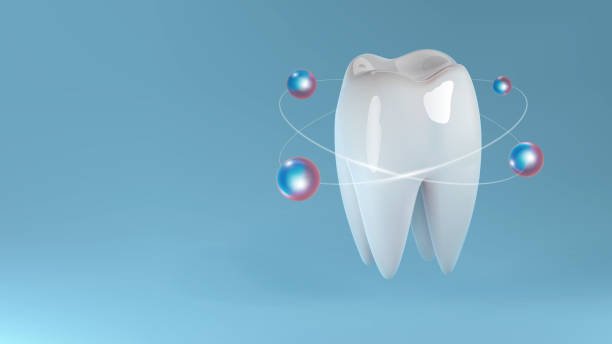
Introduction:
Molars, the large teeth located at the back of your mouth, often raise the question, do you need molars? These teeth are essential for grinding food, maintaining proper jaw alignment, and supporting overall oral health. Losing or neglecting molars can affect chewing efficiency, bite balance, and even facial structure.
This article provides a comprehensive guide to it, their function, care, and the consequences of neglecting them.
What Are Molars and Where Are They Found
Molars are the broad, flat teeth located in the back of both the upper and lower jaws. They include the first, second, and sometimes third molars, also known as wisdom teeth.
Unlike front teeth designed for biting, they are specialised for grinding and crushing food. They also play a critical role in maintaining the proper spacing of teeth, jaw alignment, and overall oral functionality.
Functions of Molars
Molars perform multiple essential functions that support oral health and overall well-being:
-
Chewing and Grinding: Molars break down food into smaller pieces, aiding digestion.
-
Maintaining Jaw Stability: Proper molar function ensures even pressure distribution across the jaw.
-
Supporting Facial Structure: Healthy molars help preserve the shape of your jaw and cheeks.
-
Preventing Tooth Shifting: It keeps adjacent teeth in place, preventing crowding or misalignment.
Without molars, everyday activities such as eating and speaking can become more difficult, and oral health can deteriorate over time.
Why Molars Are Important
Molars are not just functional; they are vital for long-term dental health. When molars are lost or extracted without replacement, several problems may arise:
-
Misaligned bite and jaw discomfort
-
Difficulty chewing tough foods
-
Uneven wear on remaining teeth
-
Increased risk of temporomandibular joint (TMJ) disorders
-
Potential bone loss in the jaw
Wisdom Teeth: To Keep or Remove?
Third molars, commonly called wisdom teeth, often create controversy. While some people have fully functional wisdom teeth, others experience issues such as crowding, impaction, or infection. In such cases, dentists may recommend removal. Despite being molars, their extraction typically does not compromise overall chewing efficiency if other molars remain healthy.
Signs of Problems
Regularly monitoring your molars is important. Signs that indicate molar issues include:
-
Sensitivity or pain when chewing
-
Swelling or redness in the gums near molars
-
Cracked, chipped, or decayed teeth
-
Jaw discomfort or misalignment
-
Difficulty chewing or biting
Early detection and treatment prevent long-term problems and maintain proper oral function.
Best Care
Maintaining molars requires consistent oral hygiene and preventative care:
-
Brush thoroughly twice a day, including the back teeth
-
Floss between molars to remove food debris and prevent decay
-
Use fluoride toothpaste to strengthen enamel
-
Attend regular dental check-ups and cleanings
-
Avoid overly hard foods that can damage molars
Proper care ensures molars remain healthy and functional throughout life.
Consequences of Losing Molars
Losing molars affects more than just chewing ability:
-
Shifting Teeth: Adjacent teeth may move into the empty space, altering bite alignment.
-
Bone Loss: Jawbone can weaken over time without molar roots stimulating growth.
-
TMJ Issues: Uneven chewing forces may lead to temporomandibular joint problems.
-
Digestive Difficulties: Inefficient chewing can impair digestion and nutrient absorption.
Dental solutions like implants, bridges, or partial dentures can replace missing molars and restore function.
Conclusion
Molars are essential teeth that contribute to chewing, digestion, jaw alignment, and overall oral health. While wisdom teeth may sometimes require removal, preserving molars is critical for maintaining proper function and facial structure. Regular dental care, monitoring for problems, and timely treatment ensure molars continue to support your oral health for years to come.
FAQs
1. Do you need molars to chew properly?
Yes, molars are necessary for grinding food efficiently and supporting overall chewing function.
2. Can people live without molars?
While it is possible, losing molars can lead to difficulty chewing, bite problems, and jaw issues.
3. Are wisdom teeth considered essential molars?
Not always. Wisdom teeth can be functional, but many are removed due to crowding or impaction.
4. How can I keep my molars healthy?
Brush and floss daily, use fluoride toothpaste, avoid hard foods, and schedule regular dental check-ups.
5. What are the consequences of losing molars?
Missing molars can cause tooth shifting, bone loss, TMJ disorders, and digestive difficulties, though dental replacements can restore function.