
 By Its Times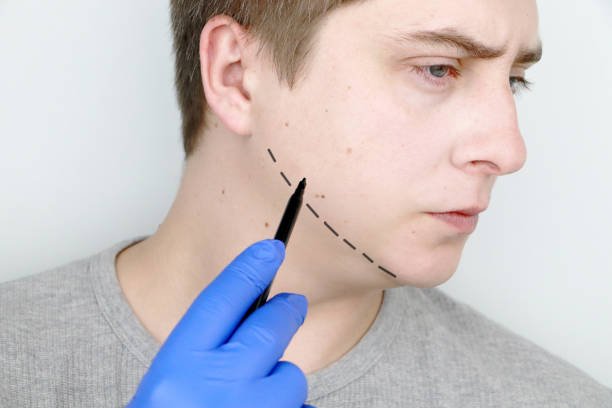
Introduction:
Chin implant surgery is a common cosmetic procedure for enhancing facial balance and jawline definition. One concern many patients have is the chin implant scar, which can affect confidence if not properly managed.
Understanding how scars form, how to care for them, and treatment options can help patients achieve optimal results. This guide provides a detailed look at everything you need to know about chin implant scars.
What Causes a Chin Implant Scar
Every scar begins as part of the body’s natural healing process. A chin implant scar forms when the skin repairs itself after an incision made during surgery. Several factors influence how visible a scar becomes.
These include the type of surgical technique used, the size and location of the incision, the patient’s skin type, and how well the wound is cared for postoperatively. Genetics also play a role, with some individuals prone to thicker or more noticeable scarring.
Types of Chin Implant Scars
Chin implant scars vary depending on how the incision heals. They can range from nearly invisible to more pronounced. Understanding the type of scar can help determine the best care or treatment.
Common types include linear scars, which appear as thin, straight lines; hypertrophic scars, which are raised but remain within the incision area; and keloid scars, which grow beyond the boundaries of the incision and may require specialized treatment.
Surgical Techniques and Scar Placement
The way a surgeon places the chin implant significantly affects scarring. There are primarily two approaches. Intraoral incisions are made inside the mouth, leaving no visible external scar, making them ideal for patients concerned about appearance.
Submental incisions, made under the chin, leave a small, discreet scar that usually fades over time. The choice of technique depends on patient anatomy, the type of implant, and the surgeon’s expertise.
Postoperative Care for Chin Implant Scars
Proper postoperative care is essential to minimize a chin implant scar. Immediately after surgery, keeping the area clean and avoiding strain on the incision helps prevent complications. Patients are usually advised to follow prescribed medications, avoid smoking, and protect the area from sun exposure.
Using silicone sheets or gels can further improve scar appearance, helping it soften and fade more quickly. Consistency in care during the healing period is crucial for achieving optimal results.
Timeline for Healing and Scar Maturation
Chin implant scars do not appear fully healed overnight. Healing occurs in stages. Initially, the incision may be red or pink with mild swelling. Within a few weeks, the scar starts flattening and redness diminishes. Over 6 to 12 months, the scar continues to mature, becoming softer and less noticeable. Patience and ongoing care are necessary during this period to ensure the scar heals as discreetly as possible.
Treatment Options for Problematic Scars
While most chin implant scars heal without issue, some may require additional treatment. Raised or keloid scars can be treated with topical silicone gels, corticosteroid injections, laser therapy, or minor surgical revision.
Consulting a qualified surgeon or dermatologist ensures that treatment is appropriate for the scar type and that results are safe and effective. Early intervention often yields the best outcomes.
Tips for Preventing Prominent Chin Implant Scars
Prevention is often more effective than treatment. To reduce the risk of a noticeable chin implant scar, patients should choose a board-certified and experienced surgeon.
Adhering strictly to postoperative care, avoiding trauma to the surgical site, protecting the area from sun exposure, and maintaining a nutritious diet rich in vitamins that promote skin healing can all contribute to a minimal scar appearance.
Conclusion
A chin implant scar is a natural part of the healing process after chin augmentation surgery. With proper surgical technique, diligent postoperative care, and patience, scars can be minimized or nearly invisible. Understanding the causes, types, healing timeline, and treatment options allows patients to manage expectations and achieve the best aesthetic results. Following these guidelines ensures a smoother recovery and a confident new look.
FAQs
1. Will a chin implant leave a visible scar?
Not necessarily. Intraoral incisions leave no visible scar, while submental incisions leave a small, usually discreet scar under the chin.
2. How long does it take for a chin implant scar to fade?
Scars typically mature and fade within 6 to 12 months, though subtle improvement can continue beyond that period.
3. Can silicone gels reduce chin implant scars?
Yes, silicone gels or sheets help flatten and soften scars, reduce redness, and improve texture.
4. What treatments are available for raised or keloid scars?
Treatment options include corticosteroid injections, laser therapy, topical gels, and minor surgical revision if necessary.
5. How can I prevent noticeable scars after chin implant surgery?
Choosing an experienced surgeon, following postoperative care, avoiding sun exposure, and maintaining a healthy diet can all minimize scarring.