
 By Its Times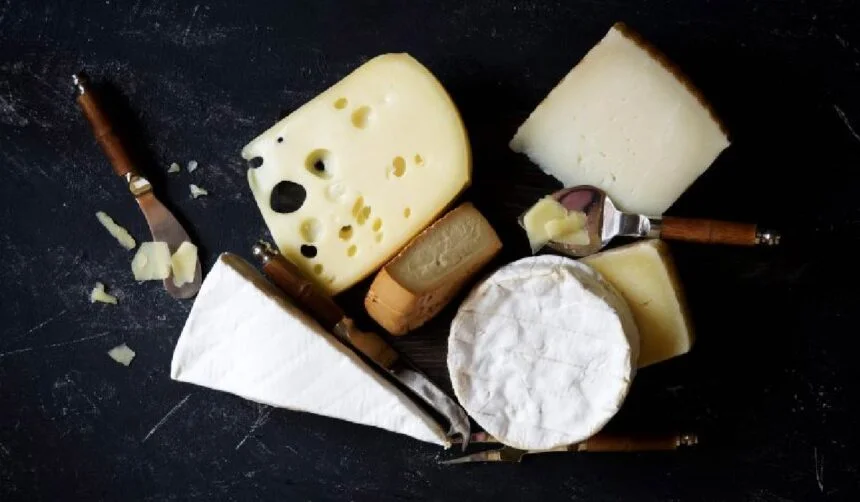
Introduction: What Is Masgonzola and Why Is Everyone Talking About It?
Masgonzola is a term that has been gaining attention among food lovers, chefs, and curious home cooks who enjoy exploring creative flavor combinations. The word itself suggests a fusion, and that’s exactly what Masgonzola represents: a bold culinary concept inspired by the richness of mascarpone and the sharp complexity of blue-veined cheeses like gorgonzola. While Masgonzola is not a traditional cheese with centuries of protected heritage, it has emerged as a modern expression of experimentation in contemporary cuisine.
In today’s food culture, innovation is just as celebrated as tradition. Masgonzola fits perfectly into this landscape, offering a balance between smooth creaminess and intense savory depth. This article takes a deep dive into Masgonzola, exploring its inspiration, flavor profile, production ideas, culinary uses, and why it continues to spark interest among cheese enthusiasts worldwide.
Masgonzola: Understanding the Concept Behind the Name
The name is widely understood as a blend of two iconic cheese styles. On one side, there is mascarpone, known for its mild, buttery texture and subtle sweetness. On the other side is gorgonzola, famous for its pungent aroma, crumbly body, and blue mold veins. brings these contrasting personalities together into a single idea.
Rather than being tied to a strict recipe or geographic origin, Masgonzola represents a category-defying cheese concept. It symbolizes the modern approach to food, where chefs and artisans combine classic elements to create something new, flexible, and exciting.
The Origins and Inspiration of Masgonzola
Masgonzola as a Modern Culinary Creation
Unlike traditional cheeses that are bound by protected designations and regional methods, Masgonzola has its roots in innovation rather than history. Its inspiration likely comes from Italian cuisine, where both mascarpone and gorgonzola have long been staples. Italian chefs are known for pairing contrasting textures and flavors, and Masgonzola reflects this philosophy beautifully.
The rise of Masgonzola can also be linked to the growing popularity of fusion foods. As global cuisine becomes more interconnected, chefs feel empowered to experiment, blending familiar ingredients in unconventional ways. Masgonzola is a natural result of this creative freedom.
Why Appeals to Modern Palates
Today’s consumers often seek foods that are indulgent yet complex. Masgonzola offers both. Its imagined balance of richness and sharpness satisfies those who enjoy comfort foods as well as those who crave bold flavors. This dual appeal is a key reason continues to capture attention.
Masgonzola Flavor Profile: What Makes It Special?
Creamy Meets Bold in Masgonzola
The defining characteristic of Masgonzola is its layered flavor profile. The mascarpone influence brings a smooth, velvety mouthfeel and a gentle dairy sweetness. This softness acts as a canvas for the more assertive notes inspired by gorgonzola, such as tanginess, earthiness, and a slight sharp bite.
The result is a cheese experience that feels indulgent without being overwhelming. Masgonzola is often described as balanced, making it approachable even for those who are usually hesitant about strong blue cheeses.
Aroma, Texture, and Taste Balance
Masgonzola’s aroma is typically milder than traditional blue cheeses, thanks to its creamy base. The texture can range from spreadable to softly crumbly, depending on how the concept is interpreted by a producer or chef. On the palate, Masgonzola unfolds gradually, starting with creaminess and finishing with a savory depth that lingers pleasantly.
How Masgonzola Is Made: A Conceptual Look
The Masgonzola Production Idea
Because is not standardized, its production can vary. In general, the concept involves blending fresh, high-fat cream cheese elements with blue cheese cultures or incorporating blue cheese into a creamy base. This approach allows for flexibility in texture and intensity.
Some interpretations of may lean more toward a dessert-friendly softness, while others emphasize savory complexity. This adaptability is part of what makes Masgonzola so intriguing to culinary professionals.
Artisanal Freedom and Creativity
Masgonzola thrives in artisanal settings where experimentation is encouraged. Small-batch producers and chefs can adjust aging time, mold development, and cream content to create their own signature version. This freedom ensures that no two Masgonzola experiences are exactly alike.
Culinary Uses of Masgonzola in Everyday Cooking
Masgonzola in Savory Dishes
Masgonzola shines in savory recipes where creaminess and bold flavor are equally important. It works beautifully in pasta sauces, melting into a silky coating that elevates simple dishes. can also be used in risottos, adding depth without overpowering other ingredients.
In savory baked goods, can be incorporated into tarts, flatbreads, or stuffed breads. Its richness pairs well with vegetables like mushrooms, spinach, and caramelized onions.
Masgonzola as a Spread or Dip
Thanks to its creamy nature, is ideal as a spread. It can be served on crusty bread, crackers, or crostini, often accompanied by honey, nuts, or fresh fruit. As a dip, pairs wonderfully with roasted vegetables or even simple potato wedges
Masgonzola in Gourmet and Modern Cuisine
Masgonzola on Cheese Boards
Masgonzola has earned a place on contemporary cheese boards due to its versatility. It bridges the gap between mild and strong cheeses, making it a crowd-pleaser. When paired with grapes, pears, or figs, Masgonzola delivers a sophisticated tasting experience.
Fine Dining and Experimental Menus
In fine dining, is often used as a component rather than the main feature. Chefs may incorporate it into foams, fillings, or sauces to add richness and complexity. Its adaptability allows it to complement proteins like chicken or beef as well as plant-based dishes.
Nutritional Perspective on Masgonzola
Understanding Masgonzola’s Nutritional Profile
Masgonzola, being a cream-based cheese concept, is naturally rich in fats and calories. It also provides protein and calcium, which are essential nutrients. However, it is best enjoyed in moderation as part of a balanced diet.
The blue cheese element in may also contribute beneficial compounds formed during fermentation. While it is not a health food, can be part of mindful indulgence.
Moderation and Enjoyment
The key to enjoying lies in portion control. Small amounts deliver intense satisfaction, making it easy to appreciate its flavor without overindulgence.
Masgonzola and Food Pairings
Perfect Pairings for Masgonzola
Masgonzola pairs well with a wide range of foods. Sweet elements like honey, jam, or dried fruits contrast beautifully with its savory notes. Nuts such as walnuts or almonds add texture and enhance its richness.
In terms of beverages, complements both non-alcoholic options like sparkling water with citrus and classic pairings such as coffee or tea, depending on how it’s served.
Seasonal Pairing Ideas
During colder months, works well in warm dishes and baked recipes. In warmer seasons, it can be enjoyed as a chilled spread with fresh fruits and salads, showcasing its versatility year-round.
The Growing Popularity of Masgonzola
Why Masgonzola Is Gaining Attention
Masgonzola’s appeal lies in its ability to feel familiar yet new. As consumers seek unique food experiences, this cheese concept offers something different without being intimidating. Its adaptability across cuisines further fuels its popularity.
Masgonzola in Home Kitchens
Home cooks are increasingly experimenting with -inspired recipes. Its forgiving nature allows for creativity, making it accessible even to those who are not professional chefs. This grassroots adoption plays a significant role in its growing recognition.
Conclusion: Why Masgonzola Deserves a Place in Modern Cuisine
Masgonzola represents more than just a cheese concept; it embodies the spirit of culinary creativity. By blending creamy indulgence with bold character, offers a versatile and exciting experience that resonates with modern tastes. Its adaptability, approachable flavor, and wide range of uses make it a valuable addition to both home kitchens and professional menus.
As food culture continues to evolve, stands as an example of how innovation can respect tradition while pushing boundaries. Whether enjoyed as a spread, melted into a dish, or showcased on a cheese board, Masgonzola proves that thoughtful fusion can lead to truly memorable flavors.
Frequently Asked Questions About Masgonzola
1. Is Masgonzola a traditional cheese?
No, Masgonzola is not a traditional or protected cheese. It is a modern fusion concept inspired by creamy and blue cheese styles.
2. What does Masgonzola taste like?
Masgonzola offers a balance of smooth creaminess and savory sharpness, making it rich but not overpowering.
3. How can Masgonzola be used in cooking?
Masgonzola can be used in pasta sauces, spreads, baked dishes, dips, and gourmet recipes, depending on preference.
4. Is Masgonzola suitable for beginners who dislike strong cheeses?
Yes, many people find Masgonzola approachable because its creamy base softens the intensity often associated with blue cheeses.
5. Can Masgonzola be made at home?
While there is no single recipe, home cooks can experiment by blending creamy cheeses with small amounts of blue cheese to create a Masgonzola-inspired result.